Wasabi: A Modern Handwritten Font for Crafters
In the world of handmade goods, the right typeface can transform a simple product into a premium brand experience. As someone who spends hours designing labels, cutting vinyl, and arranging digital printables, I know that typography is often the first thing a customer notices. Enter Wasabi, a font that perfectly balances modern simplicity with the warmth of genuine handwriting. Unlike many script fonts that feel overly decorative or difficult to read, Wasabi offers a clean, approachable aesthetic that works beautifully across a wide range of physical products. Whether you are creating boutique packaging, wedding stationery, or personalized gifts, this typeface brings a distinct personality to your work without overwhelming the design.
The Personality of Wasabi in Your Designs
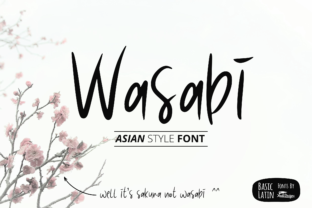
What makes Wasabi stand out in the crowded category of script amp fonts is its restraint. It captures the fluidity of a marker or brush pen but maintains a structured legibility that is essential for commercial use. When I first tested it on a mockup for a small candle business, the letters felt fresh and inviting. The strokes are consistent enough to look professional, yet they retain just enough irregularity to feel human-made. This balance is crucial for handmade sellers who want their brand identity to feel authentic rather than mass-produced.
This modern typography style is particularly effective for short phrases, names, and titles. Because the characters are designed with clarity in mind, Wasabi remains readable even when scaled down for small product tags or stickers. It avoids the common pitfall of many handwritten fonts where flourishes make the text hard to decipher at a glance. For a crafter, readability directly impacts sales; if a customer cannot instantly read what is written on a jar label or an invitation, they may move on. Wasabi ensures your message lands clearly while still delivering that artistic flair.
Practical Applications for Physical Products
The versatility of this creative font shines when applied to real-world projects. I have found it exceptionally useful for packaging design. Imagine a set of organic soap bars wrapped in kraft paper with "Handmade with Love" written in Wasabi. The contrast between the rustic paper and the sleek, modern script creates an immediate perception of quality. Similarly, for logo design, Wasabi works well as a primary typeface for boutiques, bakeries, and lifestyle brands that want to appear friendly and accessible.
Beyond packaging, this display font is a powerhouse for seasonal craft designs. During the holidays, I used it to create custom gift tags and wrapping paper patterns. The letterforms hold up beautifully when cut on a Cricut or Silhouette machine, maintaining crisp edges even on intricate cuts. For wedding planners and stationery designers, Wasabi is ideal for welcome signs, table numbers, and envelope calligraphy. It pairs wonderfully with watercolor backgrounds or simple line art, allowing the text to take center stage without competing with other design elements.
If you sell digital downloads, such as planner pages or printable wall art, this typeface adds a touch of elegance to your templates. Users appreciate fonts that look good both on screen and when printed on home printers. The weight of the letters in Wasabi is substantial enough to print clearly on standard paper, making it a reliable choice for digital printables ranging from birthday invitations to motivational quotes for home offices.
Mastering Font Pairing for Brand Consistency
One of the most important skills for a designer is knowing how to pair fonts to create a cohesive brand identity. Wasabi serves as an excellent accent or headline font, but it needs a supportive partner for body text. My go-to strategy is to pair this expressive script font with a clean sans serif font. The geometric neutrality of a sans serif allows the personality of Wasabi to shine in headlines while ensuring that longer descriptions, ingredients lists, or event details remain easy to read.
For a more traditional or elegant look, you might consider pairing Wasabi with a classic serif font. This combination works particularly well for wedding invitations or high-end product brochures. The contrast between the modern flow of Wasabi and the structured serifs creates a sophisticated tension that elevates the overall design. Regardless of the pairing, the goal is to maintain visual hierarchy. Use Wasabi for the emotional hook—the name of the shop, the occasion, or the main tagline—and reserve your secondary font for the informational content.
Technical Considerations for Makers
When working with design assets like Wasabi, technical performance matters just as much as aesthetics. For those using cutting machines, it is vital to check that the font includes all necessary ligatures and alternates to ensure smooth connections between letters. While Wasabi is designed for simplicity, testing your specific design at the intended size before cutting large batches is always recommended. Small details can get lost on tiny stickers, so keep the scale appropriate for the medium.
Furthermore, understanding the file formats included with your premium font purchase is essential. Most modern font files come in OTF or TTF formats, which are compatible with major design software like Adobe Illustrator, Canva, and Silhouette Studio. If you are creating multilingual products, verifying language support is a smart step to ensure your international customers see their names rendered correctly. Although Wasabi is primarily designed for Latin scripts, checking the character map can reveal hidden gems like special symbols or swashes that add extra flair to your web design or social media graphics.
Licensing and Commercial Use
Finally, every serious maker must understand the legal side of using commercial fonts. Wasabi is designed to be commercially viable, meaning you can use it to create products for sale. However, it is critical to review the specific End User License Agreement (EULA) provided with the font download. Typically, a standard license allows you to use the font on physical items like t-shirts, mugs, tote bags, and printed cards that you sell directly. It usually covers templates and digital downloads as long as the font itself is not being resold as a standalone file.
If you are doing client work, such as designing a logo or branding package for another business, you may need an extended license. Always clarify these terms before finalizing a project to protect your business and your clients. Using a properly licensed font like Wasabi gives you peace of mind, allowing you to focus on creativity and production without worrying about copyright issues. By choosing a font that supports your business model, you ensure that your beautiful handmade creations can reach the market safely and professionally.